Hair color trends in Korea this season
Korean hair color favors soft, low-contrast shades that suit skin tone and stay tidy as they grow out: milk tea browns, ash tones, blue-black and light pastels. This guide explains each family, what it asks of your hair, and how to plan it with a stylist in Seoul.
WENEED BLACK THE CHEONGDAM · Updated October 2026
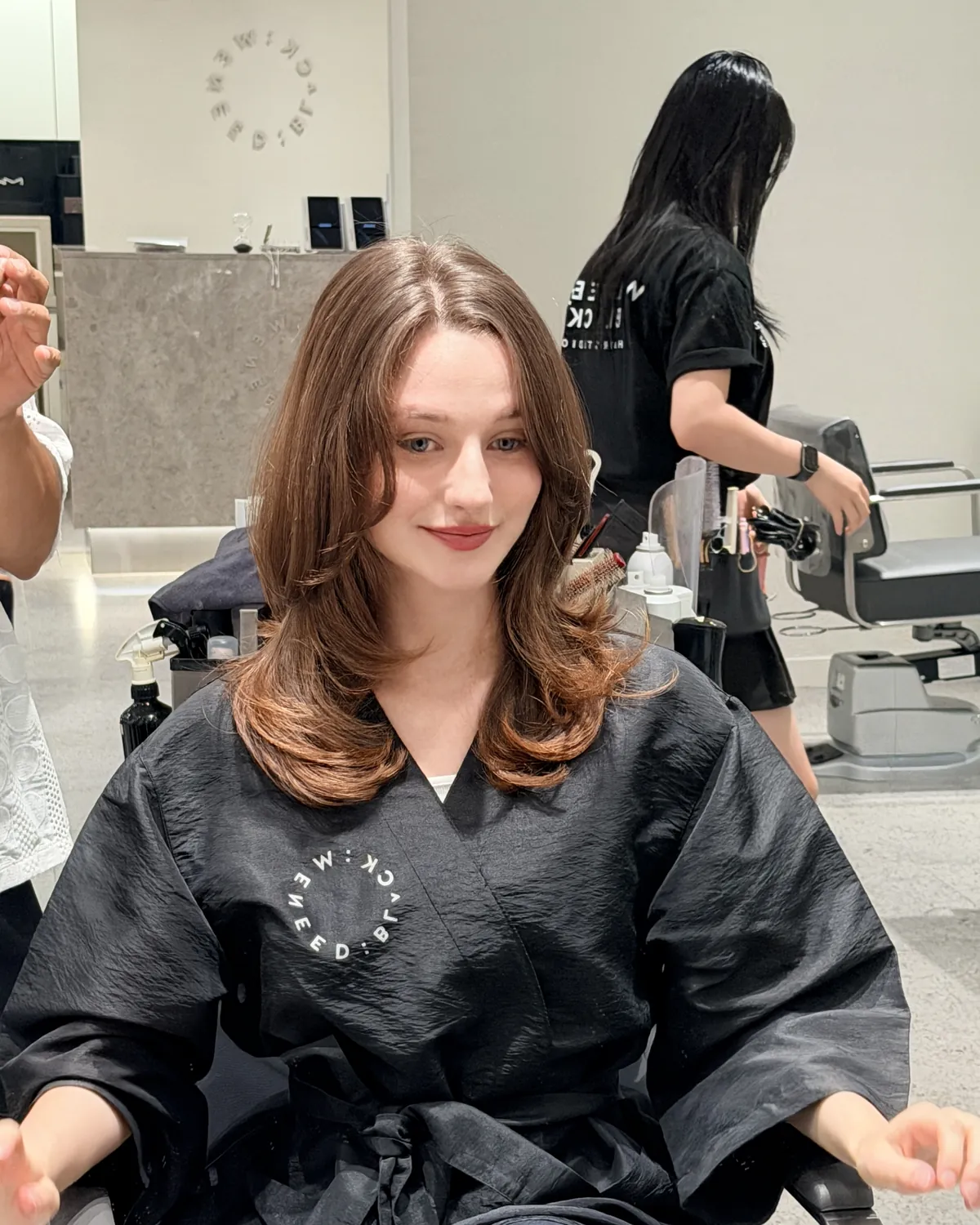
The short answer: soft, skin-aware color
Most color requests in Korean salons share one idea. The shade should look natural against the skin and the eyes, and it should still look clean a few weeks later. Loud, high-contrast color exists, but the everyday center of gravity is quieter.
This guide describes styles qualitatively. Trends move quickly, and no one list can claim to be the current ranking. What stays steady is the logic behind the choices: tone first, then depth, then how the color will age on your hair.
Four families cover most of what you will see in Seoul: warm browns, cool ash tones, deep blue-black, and light pastels. Each one has a different starting point, and your own natural level and past color decide how many steps it takes.
Warm browns and milk tea tones
Milk tea brown is a soft, creamy brown with a hint of beige. It reads as gentle rather than orange, which is why it is a common first color for visitors who want a change that does not feel dramatic.
On dark Asian hair, a brown like this usually needs the natural color to be lifted a little first. How far depends on your base. A stylist will look at the hair in daylight and tell you whether one session is realistic.
Warm browns forgive regrowth better than light shades because the contrast with your roots is small. If you want a low-maintenance first color, read about milk tea brown color before you book.
Ash tones and cool shades
Ash colors neutralize warmth. Ash brown, ash gray and ash beige all aim at a smoky, flat finish with no visible orange or red. They look sharp in photos and in plain light.
The catch is preparation. Dark hair has strong warm pigment underneath, so a cool result often means bleaching first and then toning. Cool tones also fade faster than warm ones, and the hair can drift warmer between visits.
If you like this direction, the ash color page explains the steps in more detail, and bleach covers what lightening involves.
Blue-black and deep dark shades
Blue-black is a very dark shade with a cool blue cast that shows only in light. It looks black indoors and slightly inky outside. It suits people who want shine and a clean look without going light.
Because the shade is dark, it is often possible without bleaching, which makes it gentler on the hair than light colors. It also works well as a reset after a long period of lighter color, when you want a calm, even finish.
You can read how it is done on the blue-black color page. If you are going back darker from a lighter shade, ask the stylist about tone-down options too.
Pastels and fashion colors
Pastel pink, lavender and mint appear in Seoul mostly as light washes, not solid blocks of color. They need a pale base, so bleaching is nearly always part of the plan.
Pastels fade quickly, often in a few weeks, and each wash softens them further. Some people enjoy that gradual change; others find it untidy. Decide which camp you are in before you commit.
Plan the time as well as the shade. A pastel on dark hair can take a long appointment, and the stylist may suggest splitting the work if the hair is already stressed. The pastel pink page gives a realistic picture.
Style references
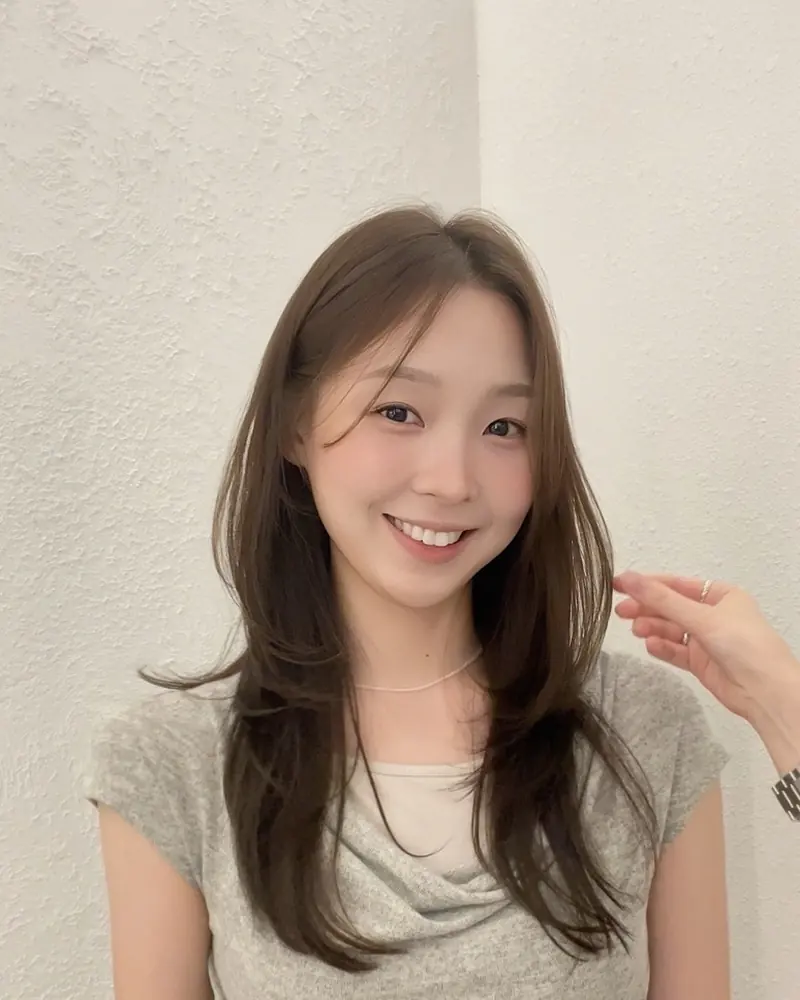
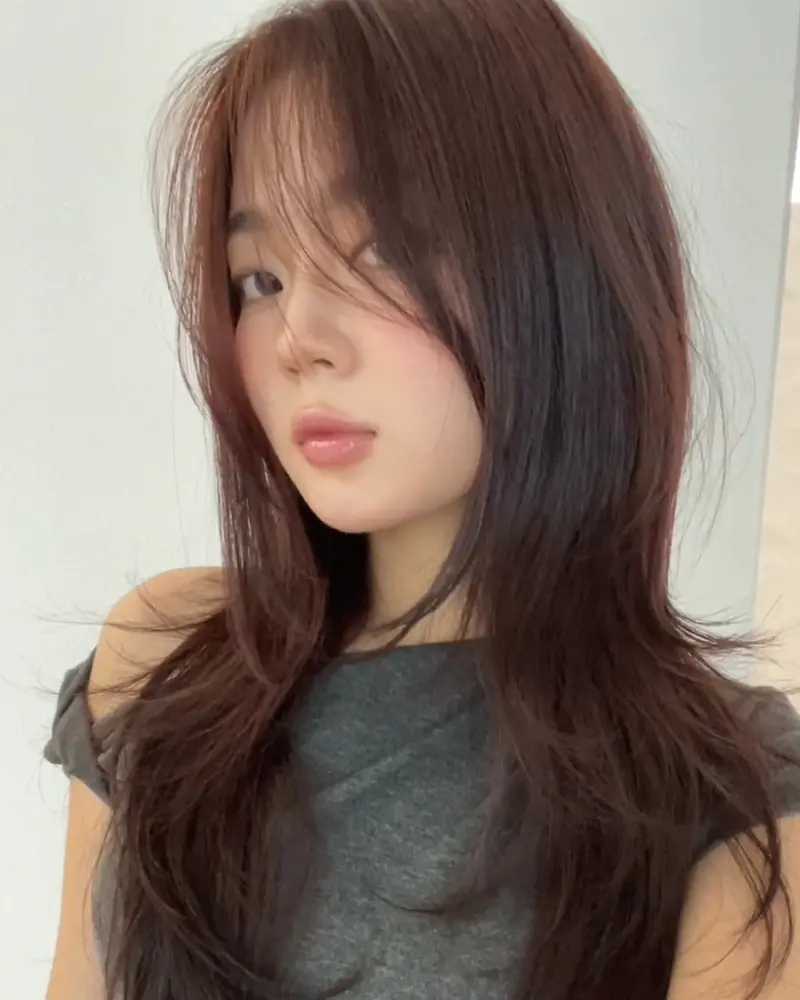
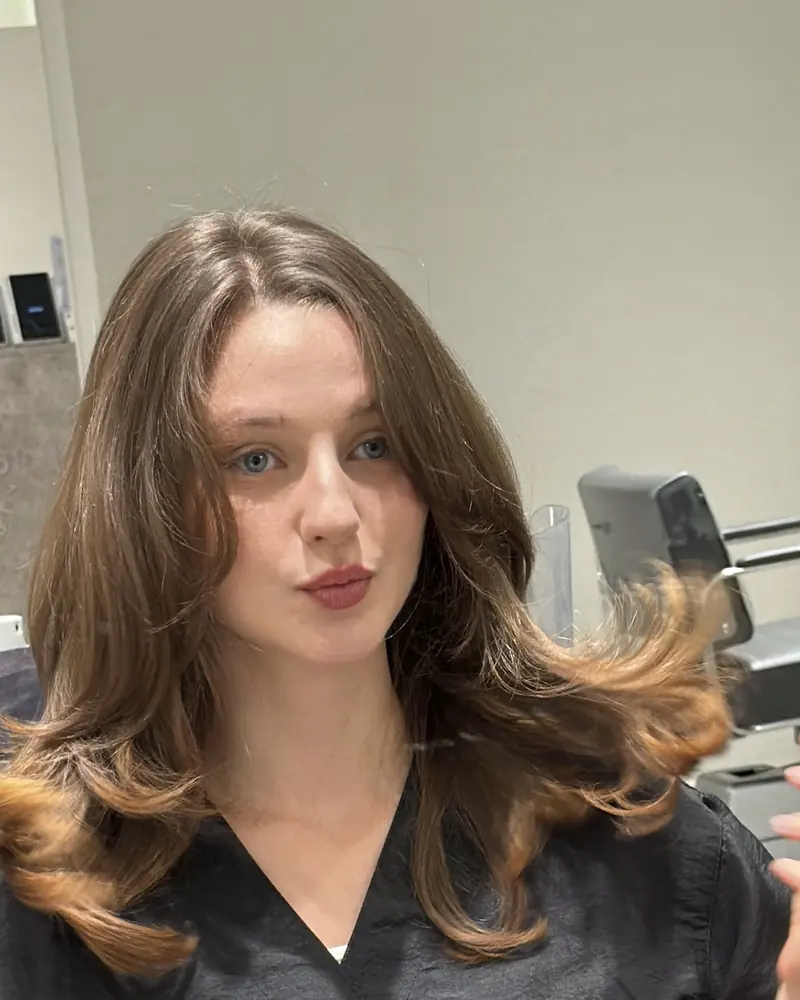
How to choose a shade that works for you
Start with your natural level and your hair history. Past dye, perms and bleach all change what is possible. Tell the stylist everything, even if it was done years ago.
- Skin undertone: warm skin often suits golden or milky browns, cooler skin often suits ash or rose tones. A stylist can judge this in person.
- Maintenance: lighter and cooler shades need more visits. Darker and warmer shades need fewer.
- Lifestyle: sun, chlorine and heat styling all fade color faster.
- Hair condition: if the hair is fragile, a gentler shade or a care step first is the wiser plan.
Bring two or three reference photos and say which part you like: the tone, the depth, or the finish. Our guide on explaining your hairstyle to a Korean stylist shows how.
Planning color at WENEED BLACK THE CHEONGDAM
WENEED BLACK THE CHEONGDAM lists full hair coloring, root touch-up and bleaching on its menu. Details on each service are on the hair color page. The salon is at 4F, 34 Apgujeong-ro 80-gil, Gangnam-gu, Seoul.
Prices depend on stylist level, hair length and condition, and the stylist confirms the final figure. See the price list for the published menu and how to book for the booking route through Naver.
Frequently asked questions
What is the most natural-looking hair color in Korea?
Soft browns in the milk tea and ash brown range are the usual answer, because they sit close to natural hair and show little regrowth. Your base color decides how far the stylist needs to lift.
Do I need bleach for ash colors?
On dark hair, usually yes. Ash tones remove warmth, and dark hair has plenty of it underneath. The stylist checks your level and tells you how many steps are likely.
How long does colored hair stay fresh?
It depends on the shade and your habits. Warm and dark shades hold longer. Cool and pastel shades fade sooner. Ask your stylist for a realistic range for the color you choose.
Can I color my hair if I had a perm recently?
Sometimes, but both services stress the hair. Tell the stylist the dates and what was used, and they will advise whether to wait or reorder the steps.
Is blue-black the same as black?
No. It is a very dark shade with a cool cast that shows in light. Plain black looks flatter and can read warmer or duller.
Visit WENEED BLACK THE CHEONGDAM
4F, 34 Apgujeong-ro 80-gil, Gangnam-gu, Seoul. Apgujeong Rodeo Station Exit 3, 586 m. Open Tuesday to Saturday 10:00–19:30, closed Sunday and Monday.